"Your server has been suspended and will be wiped within 24 hours. Emails or appeals will not help, no fees will be refunded, and you are blacklisted for life." That was a message I received from our data center. This is the seventh article in the "Early-Stage Mistakes" series.
My First Year with Servers
The message arrived in 2008, my first year working with servers. I had a dedicated server and hosted client websites on it.
One of those clients ran a forum. Back then forums were like a much simpler Facebook: someone writes a post, and people reply to it.
One Post for Engagement
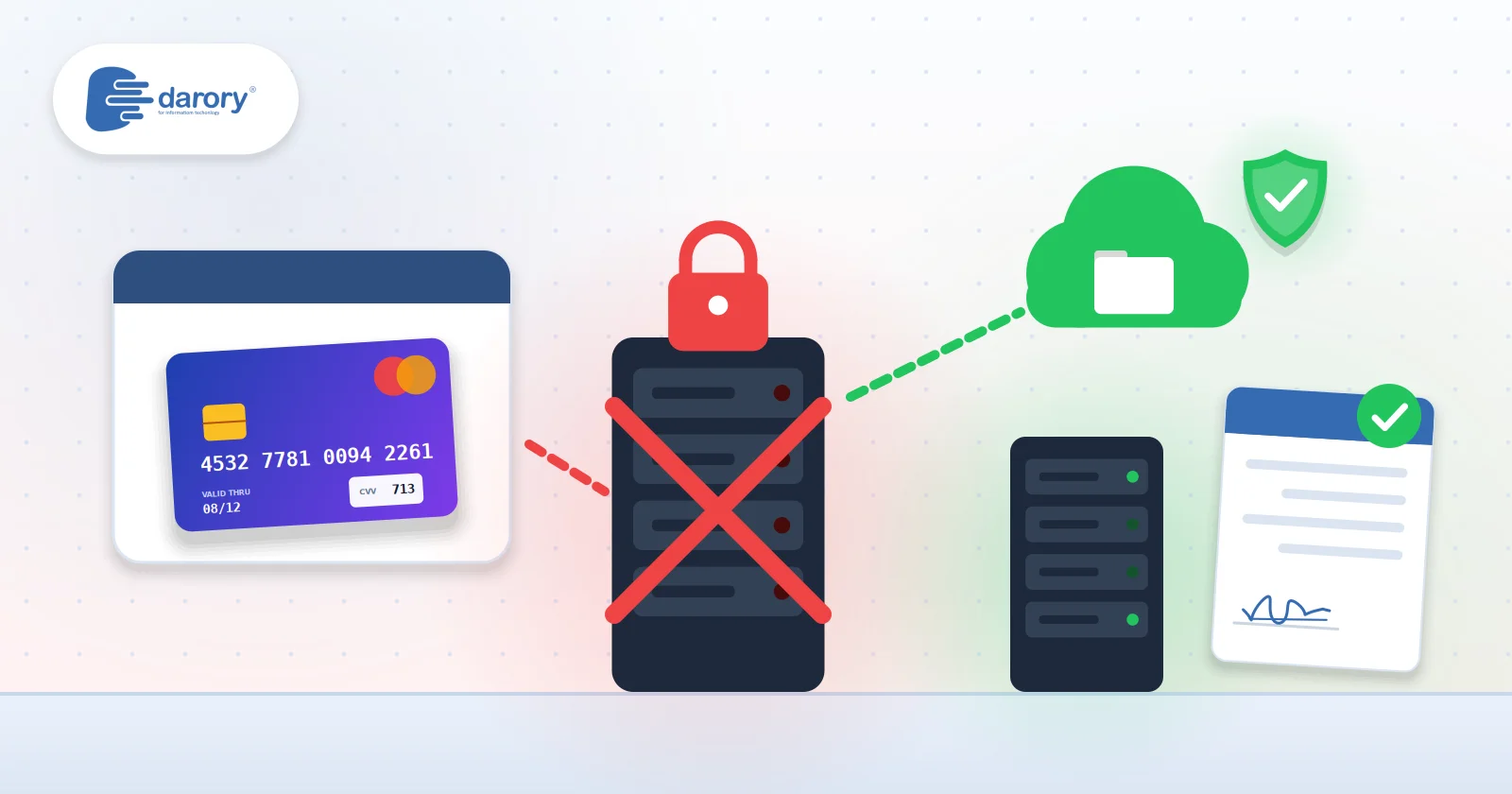
To boost engagement, the client published a post full of credit card numbers. They were fake, but they looked real: 16 digits, a CVV and an expiry date.
Google indexed the page and reported to the data center that a domain they hosted was publishing stolen card data. The data center asked no questions and shut down the entire server, with every website on it.
I sat there not knowing what I was supposed to do, trying to reach the server and getting no response at all.
How the Data Was Saved
Then, by the grace of God, a way out appeared. Another client of mine had a VPS in the same data center, in the same US branch.
With his permission, I logged into his server and tried to reach mine over the internal network. It turned out the data center had only blocked my server from the internet; from inside the network it was still running.
I compressed all the data, moved it out and ordered a new server.
If that client had not happened to be in the same place, all of my clients' data would have been lost.
Three Lessons I Learned
- Keep your backups off the server. In a completely separate place, with a different provider. A backup on the same server goes down with the server.
- Know who you are hosting. Any content or violation from a client you host counts against you, and against every other client sharing that server.
- Agree on responsibility with the client from day one, in writing. Who is responsible for the content, and who is responsible for backups. If the client owns their backups, that should be agreed and clear from the start.
The Bottom Line
Don't take anything in your work lightly. One post from one client can shut down your whole business overnight, and without a backup off the server, there may be no way to fix it.
Want to Skip These Mistakes?
If you are building a business or a system from scratch and want to avoid these mistakes from day one, talk to us directly.
Message us on WhatsAppLearn more about Alaa Samir, founder of Darory, or send us a message.
The Early-Stage Mistakes Series
- Episode 1: Hiring Before the Work Is Stable: The Most Expensive Mistake of My Early Days
- Episode 2: Polishing One Part While the Whole Project Waits
- Episode 3: "A Technical Fault": The Vague Answer That Almost Cost Us Our Clients
- Episode 4: No Real Rest for the Founder: When Breakdowns Come at the Worst Time
- Episode 5: Taking the Client's Word for It: Why Every Stage Needs a Written Approval
- Episode 6: More Features, Better System? The Mistake of Building Everything the Client Never Needed
- Episode 7: One Post Took Down the Whole Server: Hosting Clients Without an Off-Site Backup
- Episode 9: I Cared About the Code and Forgot the User: Why UI and UX Are Not a Finishing Touch