The most expensive mistake of my early days wasn't about money itself. It was about hiring. This is the first article in the "Early-Stage Mistakes" series, where I share mistakes I made myself so you don't have to pay for them.
When a Few Deals Make You Believe It Will Last
In the beginning, business was good. A new deal came in almost every week. I believed this was normal, that the work would keep flowing and even grow. So I started hiring, but not according to what the work actually needed.
Two Mistakes in Opposite Directions
Sometimes I hired people far more senior than the job required: big salaries and full-time contracts, when a part-time person or a per-project freelancer would have been enough.
Other times I did the opposite: I hired less experience than the job needed to save money. Then I paid a salary and still spent my time explaining, reviewing and fixing. I saved neither money nor time, and if I had pushed myself a little, I could have done the work faster on my own.
Both mistakes had the same root: I was hiring to feel like I was growing, not because the work needed it.
Fixed Costs on Variable Income
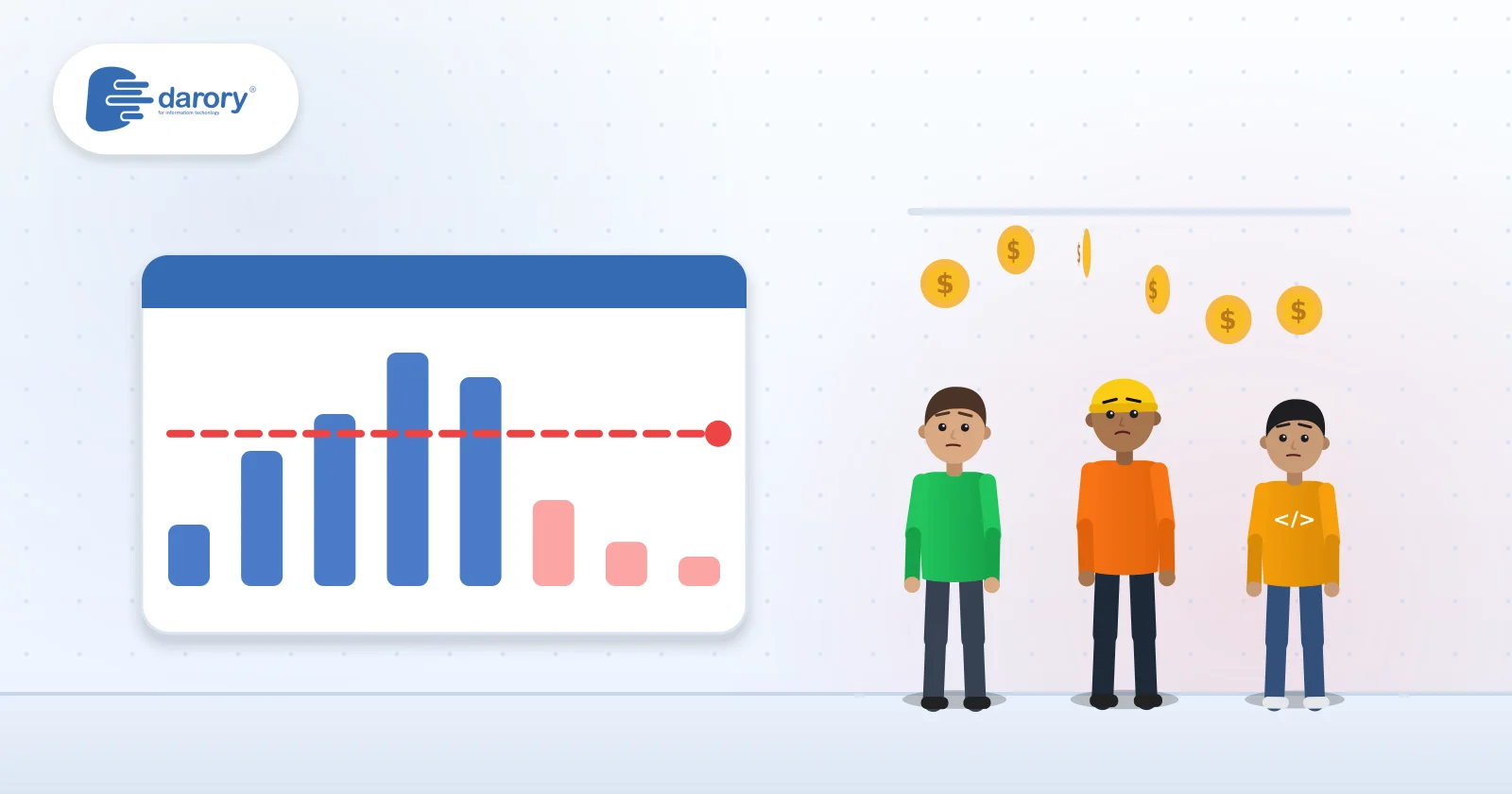
Then the thing nobody plans for happened: the deals slowed down. One week with nothing new, then two. But salaries didn't slow down, and neither did rent or bills. I was paying large fixed costs on top of an unstable income.
A point came when I couldn't pay on time. Salaries were late, rent was late, bills were postponed. My team couldn't see the deals that had stopped; they only saw that their salary hadn't arrived, so to them it looked like I wasn't keeping my financial commitments.
The Real Loss: Trust
That is where the instability started: worry, low energy, and everyone looking for something outside. The irony is that when the important work finally came back, the deal I had been waiting for, the team was already worn out, and we missed the deadlines on the new work. The mistake didn't only cost me money. It cost me my team's trust and my client's trust too.
Four Lessons I Learned
- Plan on the average, not on your best week. A few deals in a row don't mean the market will always look like that.
- Hire for the real need. Don't overpay for seniority you don't need, and don't under-hire and slow everything down. If you can do the work well yourself and the volume doesn't justify a hire yet, do it yourself for now.
- Start part-time or per project. Once the workload is truly stable, make the roles permanent.
- Do the math before you commit. Before any fixed salary, make sure you can carry it even if income drops for a while. Keeping your commitments to your team matters more than the size of the team.
The Bottom Line
Hiring is an easy decision to make and a very hard one to undo. I'm not sharing this to claim I knew the right answer from day one; quite the opposite. I'm sharing it so you don't pay the same price.
Want to Skip These Mistakes?
If you are building a business or a system from scratch and want to avoid these mistakes from day one, talk to us directly.
Message us on WhatsAppLearn more about Alaa Samir, founder of Darory, or send us a message.
The Early-Stage Mistakes Series
- Episode 1: Hiring Before the Work Is Stable: The Most Expensive Mistake of My Early Days
- Episode 2: Polishing One Part While the Whole Project Waits
- Episode 3: "A Technical Fault": The Vague Answer That Almost Cost Us Our Clients
- Episode 4: No Real Rest for the Founder: When Breakdowns Come at the Worst Time