"A technical fault, service will be back right away." We told that to every single client in one day, and it was a mistake. This is the third article in the "Early-Stage Mistakes" series.
The Real Cause Wasn't Technical
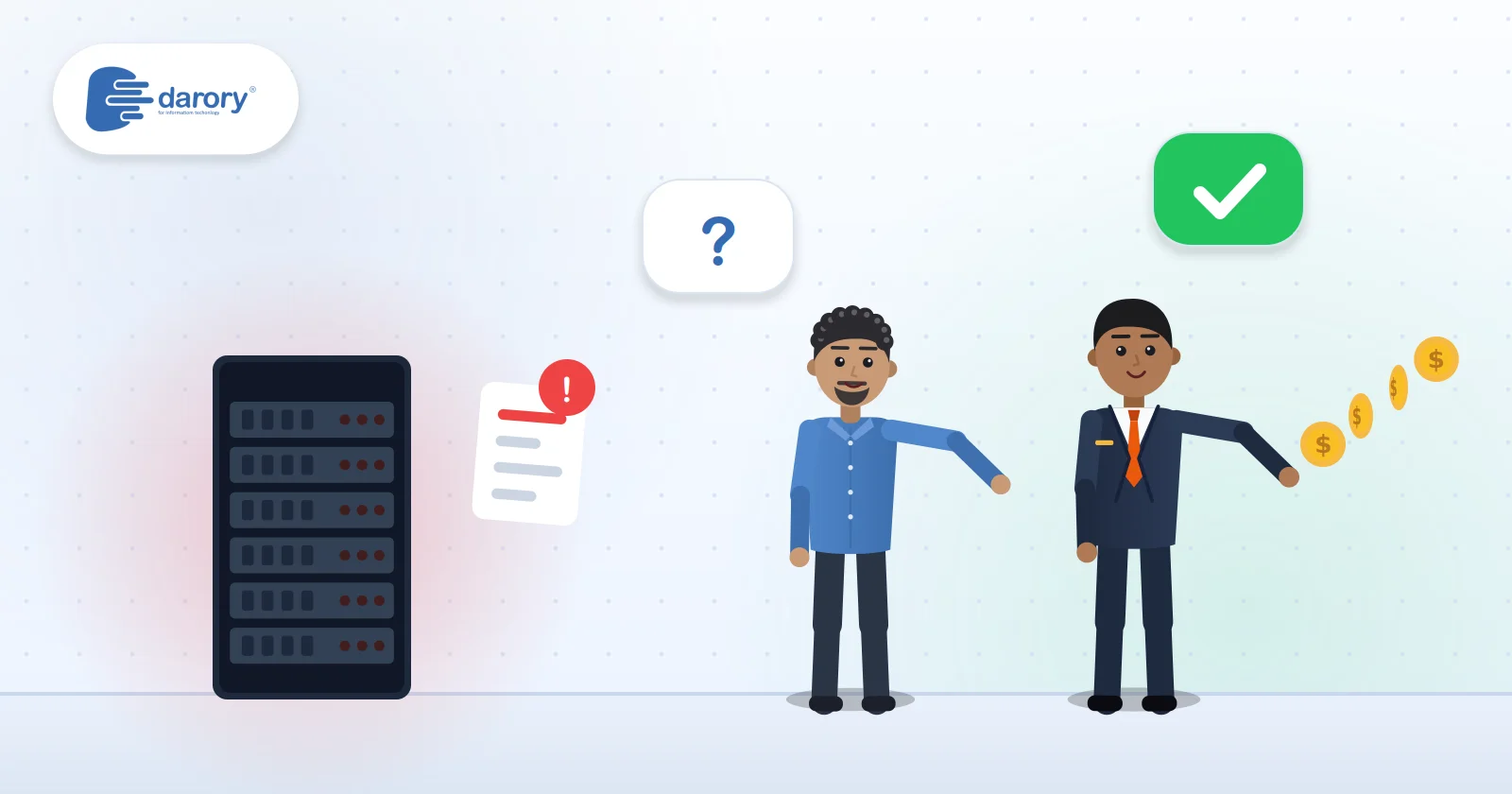
In the company's early days, when we were still small, our server went down. The cause wasn't a technical issue; it was an overdue invoice with our provider. We were going to pay it shortly and service would come back, but to protect the company's image, we told every client who called: "A technical fault, it'll be back right away." And "right away" kept getting longer.
The Question That Changed How I Think
Then a major client called and said something I will never forget: "A technical fault you can't fix? Then how can I help you? I'm not technical, so when you say 'technical fault' there's nothing I can do. But if you tell me the actual problem, maybe the solution is with me, or with someone I know."
So we told him the truth: we had an overdue invoice. To our surprise, he understood, paid part of his account ahead of schedule to save the situation, and the server was back online.
Vague answers don't protect your image. They only hide your fear of embarrassment.
Why Honesty Turns a Client into a Partner
When you hide the real cause, the client can't help you, and can't even help themselves by planning around the situation. When you are open with them, they become a partner in the solution, not an upset spectator.
Transparency Doesn't Mean Telling Everything
One important caveat: being transparent doesn't mean sharing every detail. If the cause is a personal matter, it's enough to say it's a personal matter and when service will be back.
- State the type of cause: financial, technical, operational or personal.
- Share the plan and the timeline: what will happen and a realistic time for recovery.
- Ask for help when it's possible: sometimes the solution is with the client.
- Personal details stay private: clarity about the type of problem is enough.
The Bottom Line
A company's reputation doesn't come from never falling. It comes from being honest with the people standing next to it when it does.
Want to Skip These Mistakes?
If you are building a business or a system from scratch and want to avoid these mistakes from day one, talk to us directly.
Message us on WhatsAppLearn more about Alaa Samir, founder of Darory, or send us a message.
The Early-Stage Mistakes Series
- Episode 1: Hiring Before the Work Is Stable: The Most Expensive Mistake of My Early Days
- Episode 2: Polishing One Part While the Whole Project Waits
- Episode 3: "A Technical Fault": The Vague Answer That Almost Cost Us Our Clients
- Episode 4: No Real Rest for the Founder: When Breakdowns Come at the Worst Time